
Is Full Wedding Planning Worth It?
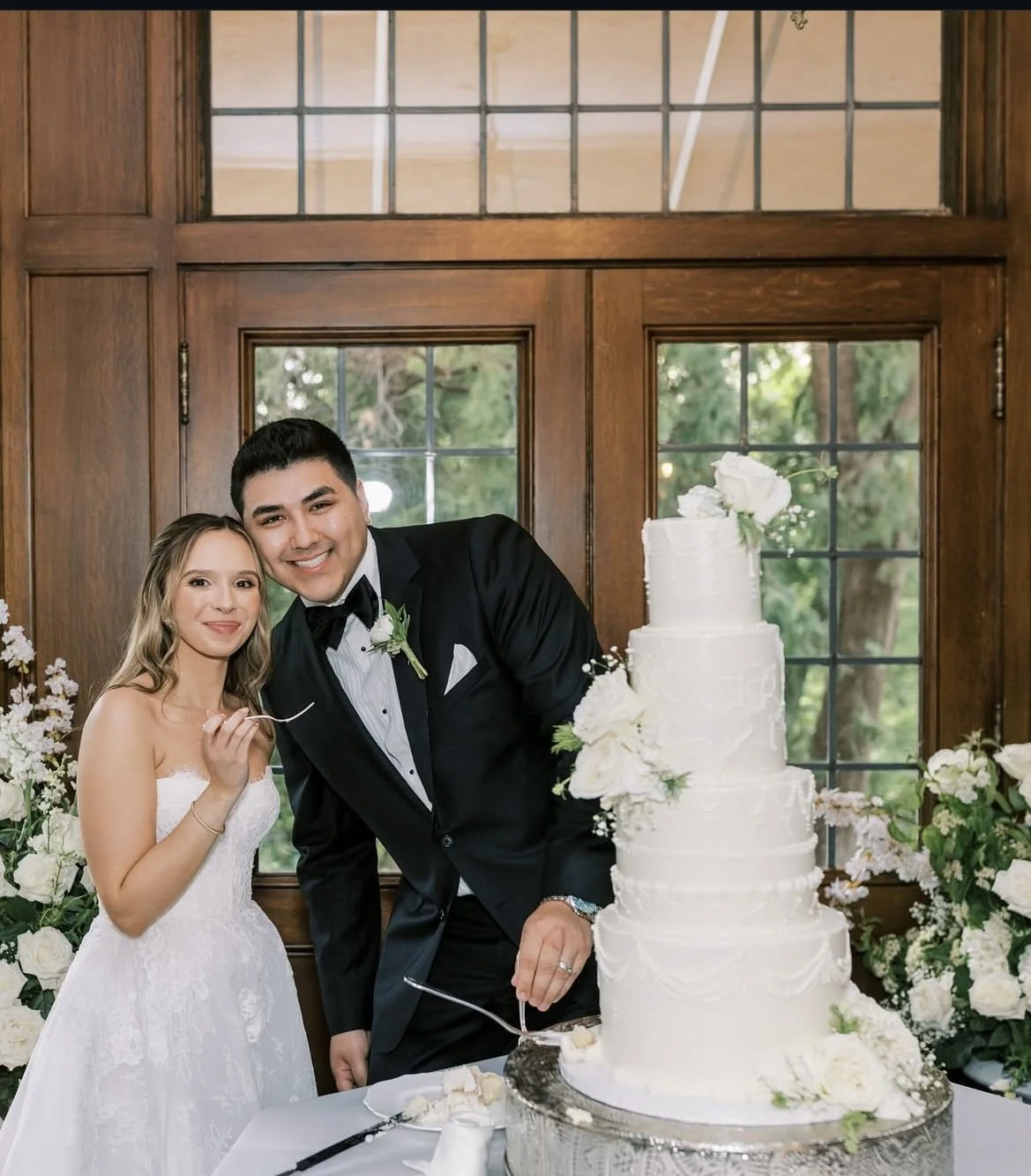
Tulsa couple enjoying cake cutting and toast
After years of planning weddings, one thing is clear: full wedding planning works best for couples who want expert guidance from day one — not just help at the finish line.
But full planning isn’t right for everyone.
And that’s exactly why couples are searching this question.
This post breaks down what full wedding planning actually covers, who it’s best for, and how to know if it’s worth it for your wedding.
What Full Wedding Planning Actually Includes
Full wedding planning is comprehensive support from the very beginning — not just help with logistics, but guidance through every major decision.
Full planning typically includes:
Budget guidance and decision support
Venue and vendor sourcing
Contract review and planning strategy
Design direction and cohesion
Timeline creation and refinement
Ongoing vendor communication
Logistics planning from start to finish
Wedding day coordination and execution
In short: full planning isn’t about doing more — it’s about having someone experienced managing the process alongside you.
Who Full Wedding Planning Is Best For
Full planning is often the best fit for couples who:
Want Decisions Handled with Confidence
You don’t want to second-guess every choice or wonder if you’re missing something important. You want informed guidance, clear priorities, and steady leadership throughout the process.
Have Limited Time or Bandwidth
You may love the idea of your wedding — but not the constant emails, research, and follow-ups. Full planning allows you to stay involved without carrying the full mental load.
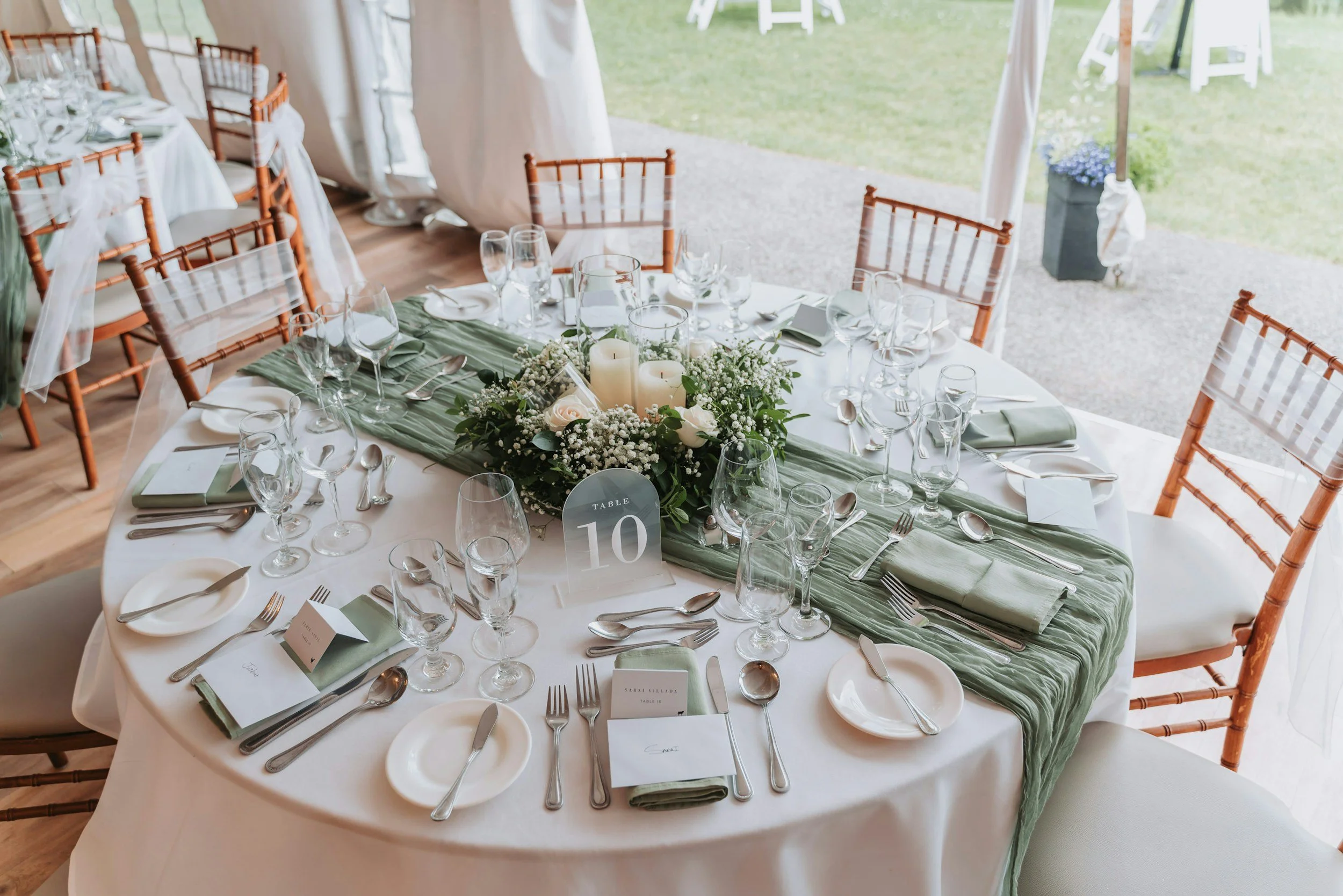
full dinner place setting sage green
Are Planning a Complex or Large Wedding
More vendors, more guests, tighter timelines — complexity adds up quickly. Full planning ensures nothing falls through the cracks as details stack.
Want a Calm, Supported Experience from the Start
Instead of reaching out once things feel overwhelming, full planning provides structure and clarity before stress shows up.
When Full Wedding Planning May Not Be Necessary
Full planning may not be the best fit if:
You enjoy researching and managing details
Most decisions are already made
You feel confident handling vendor coordination
You’re looking only for execution support near the wedding date
In those cases, partial planning or day-of coordination may be a better match — and that’s not a downgrade. It’s about choosing the right level of support.
flower girl wearing pink bow
Full Planning vs. Partial Planning: The Key Difference
The biggest difference isn’t how much help you get — it’s when you get it.
Full planning supports you from the first decisions through the wedding day
Partial planning steps in once some pieces are already in place
If you’re early in the process and want guidance before decisions are locked in, full planning offers the most flexibility and peace of mind.
Why More Couples Are Choosing Full Planning in 2026
Weddings today involve:
More moving parts
More vendor coordination
Higher guest expectations
Tighter timelines
Many couples realize that having expert support early actually reduces stress, prevents costly mistakes, and keeps the engagement season enjoyable.
Full planning isn’t about giving up control — it’s about gaining clarity.
Is Full Wedding Planning Worth It?
Full wedding planning is worth it if you want:
Clear guidance from the start
Fewer stressful decisions
A cohesive, well-run wedding
Confidence that nothing important is overlooked
A planning process that feels calm instead of chaotic
The right support doesn’t change your vision — it protects it.
Planning a Wedding in Tulsa or Northeast Oklahoma?
At Tulsa Weddings & Design, full wedding planning is designed for couples who value expertise, organization, and a smooth experience from start to finish.
If you’re wondering whether full planning is right for you, the best next step is a conversation — clarity always comes before commitment.
