Tulsa Wedding Planning Blog| Expert Advice from a Tulsa Wedding Planner
This blog is where I share practical wedding planning advice, timeline tips and insider guidance from nearly 20 years as a Tulsa wedding planner- so you can plan a well run wedding without second-guessing every decision.

Why Wedding Planning Feels Overwhelming (Even When You’re Doing “Everything Right”)
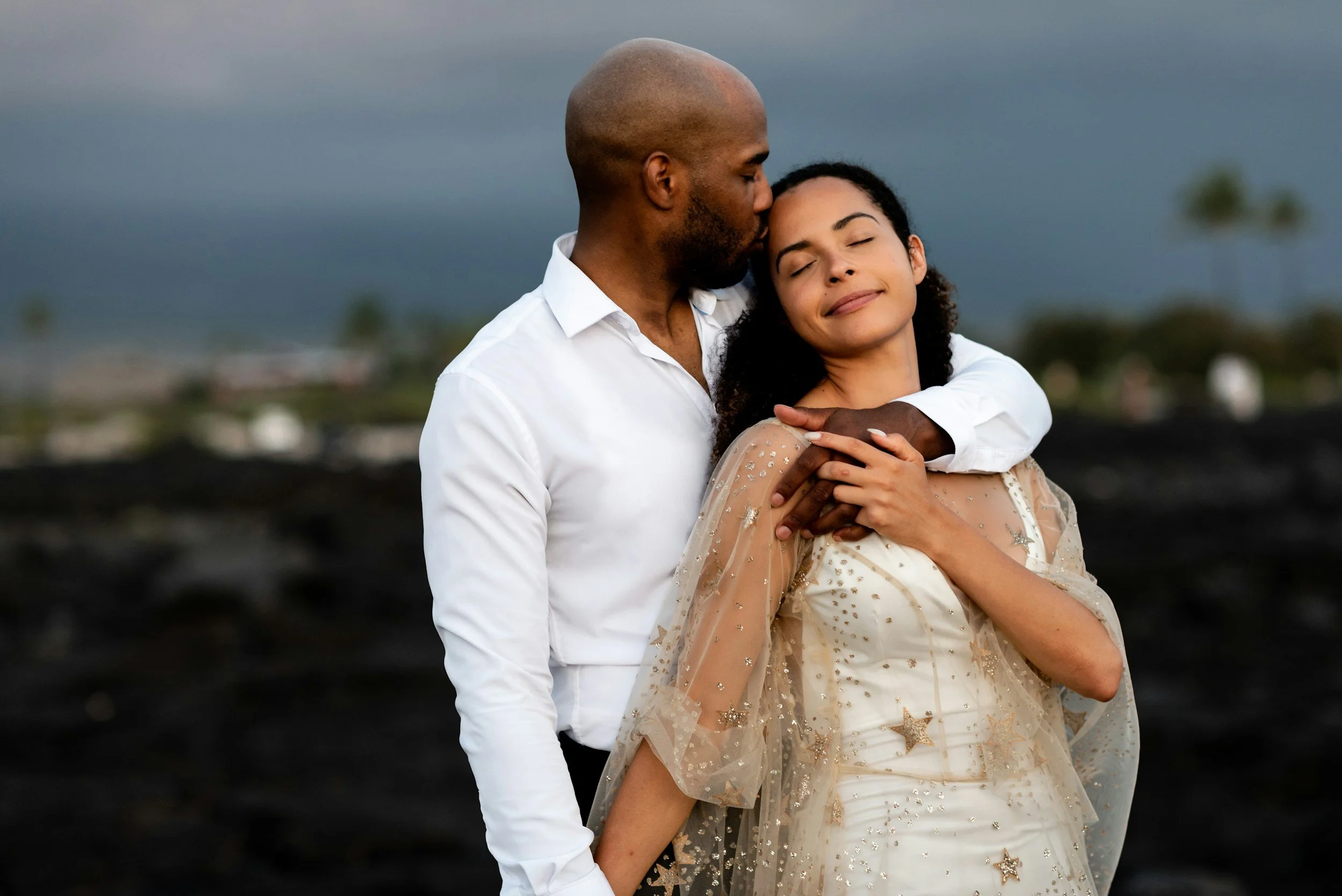
young couple in love
Let’s normalize something real quick:
If you’re excited to get married and low-key spiraling every time you open Pinterest, you’re not broken. You’re just planning a wedding in 2026.
Wedding planning today isn’t hard because you’re bad at decisions.
It’s hard because you’re being asked to make 500 emotionally loaded decisions at once—most of which you’ve never made before—and everyone has opinions.
Let’s break down what’s actually happening (and how to fix it).
The Real Problem Isn’t Planning — It’s Decision Fatigue
Here’s the trap most couples fall into:
You start with vibes.
Then TikTok gives you more vibes.
Then Pinterest shows you 47 versions of the same vibe.
Then your mom asks about guest count.
Then a venue asks for a deposit.
Then someone sends you a “wedding must-haves” list that includes things you didn’t even know were options.
Suddenly, planning doesn’t feel fun anymore.
It feels like homework with a deadline and a price tag.
That’s decision fatigue. And it’s the #1 reason couples feel overwhelmed early on.
couple sitting barefoot in windosill sharing a calm moment
Why Gen Z Couples Feel This Even More
You care about:
Guest experience
Aesthetic cohesion
Not wasting money
Not doing things “just because”
Protecting your peace ✨
But most wedding advice online is:
Outdated
Overcomplicated
Or written for people who love tradition (no shade, just facts)
So you’re left trying to reverse-engineer a wedding that feels like you without a clear framework.
Which leads to overthinking. And second-guessing. And decision paralysis.
The Fix: Stop Planning Everything at Once
Here’s the shift that changes everything:
You don’t need to plan a wedding.
You need to plan in the right order.
Instead of asking:
“What should our wedding look like?”
Start with:
“How do we want this to feel?”
Then:
How many people do we actually want around us?
What parts of the day matter most to us?
What do we want to be remembered for?
Once those are clear, decisions get easier.
Not easy—but easier.
Because you’re no longer choosing between 100 options.
You’re choosing between what fits your priorities and what doesn’t.
A Reality Check (The Loving Kind)
You do not need:
Every trend
Every upgrade
Every opinion
Every decision made today
You do need:
A plan that protects your energy
Clear priorities
Support that understands modern weddings aren’t one-size-fits-all
Planning doesn’t have to feel chaotic to be meaningful.
young couple sharing a kiss in sunlight field
Final Thought (Read This Twice)
You’re allowed to want a wedding that feels intentional, calm, and joyful.
You’re allowed to ask for help.
And you’re definitely allowed to opt out of anything that doesn’t align.
The goal isn’t a “perfect” wedding.
The goal is a wedding that feels like you—without burning out before you even walk down the aisle.
And yes. That is 100% possible.
The Wedding Planner Guide: A Strategic, Step-by-Step Plan for Engaged Couples
Engaged?
Overwhelmed?
Drowning in Pinterest tabs?
You don’t need more inspiration.
You need a plan.
After 20+ years as a professional wedding planner, I created The Wedding Planner Guide — a structured, expert-backed roadmap that helps couples plan smarter, avoid costly mistakes, and actually enjoy their engagement.
This isn’t fluff.
This is strategy.
What Is The Wedding Planner Guide?
The Wedding Planner Guide is a comprehensive wedding planning workbook designed to walk you from “Yes” to “I Do” with clarity and confidence.
Inside, you’ll find:
Budget structure
Guest list strategy
Vendor booking order
Timeline mapping
Wedding day logistics
Real-world planning advice from a seasoned planner
Whether you’re planning in Tulsa, Oklahoma or anywhere else, the principles inside apply universally.
Because good weddings aren’t about trends.
They’re about decisions.
What’s Inside (Quick Breakdown)
Wedding Budget Planning That Actually Makes Sense
No vague advice.
You’ll learn:
How to set a realistic wedding budget
Where wedding money truly goes
How to prioritize what matters most
How to prevent budget creep
Keyword reality: Most couples underestimate costs by 20–30%. This guide helps you avoid that.
Guest List Management Without the Drama
The guest list drives:
Venue size
Catering cost
Rental needs
Overall budget
Inside the guide:
How to build your first draft
How to trim when needed
How to handle family expectations
How to keep control of your wedding
Step-By-Step Wedding Planning Timeline
One of the biggest Google searches?
“What do I do first when planning a wedding?”
Inside you’ll find:
Month-by-month planning roadmap
Vendor booking order
When to send invitations
When to finalize details
When to stop changing things
Clarity reduces stress.
Structure builds confidence.
How to Choose Wedding Vendors Like a Pro
Not all vendors are created equal.
The Wedding Planner Guide teaches you:
What questions to ask vendors
How to read contracts
What red flags to watch for
How to compare proposals
When to book each category
If you’re searching for a wedding planner, this section alone changes the game.
Wedding Day Timeline & Execution Strategy
Pinterest won’t teach you flow.
This guide covers:
Sample ceremony timelines
Reception order structure
Morning-of planning tips
Photo timeline strategy
How to prevent common wedding day mistakes
Because the goal isn’t just a beautiful wedding.
It’s a smooth one.
Managing Family Dynamics & Expectations
Wedding planning is emotional.
Inside:
Boundary-setting strategies
Handling strong opinions
Keeping the couple united
Protecting your engagement season
This is the chapter couples don’t know they need — until they do.
Who This Wedding Planner Guide Is For
This guide is perfect for:
Newly engaged couples
Brides feeling behind
Grooms wanting structure
Moms who want organization
Couples planning without a full-service planner
If you want clarity without chaos, this is for you.
Why This Guide Is Different
Most wedding planning advice online is surface-level.
This is built from:
20+ years of real weddings
Crisis management experience
Vendor negotiations
Timeline execution
Budget restructuring
It’s practical.
It’s structured.
It’s strategic.
And it’s designed to save you time, money, and stress.
The Bottom Line
If you’re searching for:
How to plan a wedding step by step
Wedding budget help
Wedding planning checklist
Vendor booking order
Wedding timeline guidance
The Wedding Planner Guide was built for you.
You deserve to feel organized — not overwhelmed.
Download The Wedding Planner Guide Today
Start planning your wedding with clarity, confidence, and direction.
Because beautiful weddings don’t happen by accident.
They happen with a plan
24 Hidden Wedding Costs You Might Be Forgetting
When it comes to wedding planning, most couples think of the big stuff—venue, catering, dress, flowers. But what about the sneaky little expenses that add up fast and catch you off guard? These overlooked costs often fly under the radar until you’re knee-deep in planning (or worse, paying bills after the wedding).
Here’s a helpful list of 24 miscellaneous wedding expenses you’ll want to factor into your budget from the beginning. Because no one likes surprise fees—especially not during your happily ever after.
1. Event Rentals
Think: extra tables, chairs, linens, heaters, or even a dance floor if your venue doesn’t provide them. This also requires staff to set up and break it all down.
2. Insurance
Wedding insurance can cover unexpected issues like cancellations or vendor no-shows. It’s often required by venues.
3. Travel Fees
If you’re bringing in out-of-town vendors, you may be responsible for their mileage, gas, lodging, or airfare.
4. Backyard Wedding Necessities
Hosting at home? Don’t forget about restrooms, power supply, lighting, cleanup crews, trash cans, and back up plans in case of weather.
5. Taxes and Gratuities
Service taxes and mandatory gratuity charges can tack on 20% or more—budget accordingly.
6. Service Fees
Some vendors (especially venues and caterers) charge additional service fees on top of their base price.
7. Vendor Trials
Hair, makeup, cake tasting, floral mock-ups—they all cost money, even if you’re “just trying things out.”
8. Cleanup and Breakdown Costs
Not every venue handles post-wedding cleanup. Be ready to pay a crew or extend your rental hours.
9. Non-Venue-Approved Professionals
Hiring someone outside the venue’s preferred list? You might be charged an outside vendor fee.
10. Marriage License Fee
The cost varies by state, but don’t forget to include it in your overall budget. In OK the cost is $50, with premarital counseling the fee is $5.
11. Rental Returns
Need to return linens or glassware the next day? Some companies charge late fees or additional handling fees. Or your venue may charge additional to store over night.
12. Wedding Band Equipment
Live bands often require sound equipment, a stage and even lighting that isn’t included in their base rate. Even a small tent to protect the electronic system from moisture.
13. Postage Stamps
Save-the-dates, invitations, RSVP cards, and thank-you notes can rack up more than you think.
14. Undergarments
Strapless bras, shapewear, or special shoes for the ceremony and dance floor are easy to overlook until the dress fitting.
15. Thank-You Gifts
Gifts for your bridal party, parents, or vendors should be part of your budget plan.
16. Weather-Related Items
Umbrellas, fans, heaters, or even tent rentals might become last-minute essentials.
17. Overtime Fees
Running late? Most vendors (photographers, DJs, etc.) will charge by the hour for any time over contract. Be prepared and start on time.
18. Welcome Bag Delivery
If your hotel offers guest welcome bags, there may be a fee for delivering them to rooms.
19. Vendor Meals
Feeding your vendor team—photographers, planners, DJs—is standard etiquette and sometimes contractually required.
20. Wedding Dress Alterations and Steaming
Most bridal gowns need some tailoring, and steaming fees can be separate.
21. Honeymoon-Related Expenses
Think passport renewals, travel insurance, airport parking, or pet boarding.
22. Wedding Dress Preservation
If you plan to preserve your gown, expect to pay for specialized cleaning and packaging.
23. Beauty Touch-Ups or Stylist Re-visits
Want your glam squad to return for evening touch-ups or a second hairstyle? That’s an extra fee.
24. Other Post-Wedding Expenses
From vendor tips to thank-you cards and final invoices, the spending doesn’t stop the day after the wedding.
Final Thought
Wedding planning is full of exciting decisions, but budgeting for the unexpected is one of the smartest things you can do. These hidden costs might not be glamorous—but knowing about them now will save you stress later.
Pro Tip: Working with a seasoned wedding planner (hi! 👋) can help you spot these expenses before they sneak up on you.
A wedding planner’s guide to moving from inspiration and stress to clarity, decisions, and a real plan.
Couples aren’t stuck on planning.
They’re stuck in the space between Pinterest expectations and real-life logistics.
They don’t know:
• what actually matters vs. what just photographs well
• how much things truly cost
• who’s in charge of what
• how the day actually flows minute-by-minute
• how to keep family opinions from steering the ship
So they scroll.
They save.
They compare.
They stall.
And no one says the quiet part out loud:
Most couples aren’t overwhelmed because weddings are complicated.
They’re overwhelmed because they’ve never planned something with this many decisions, dollars, and emotions attached — all at the same time.
Here’s the way through:
Clarity → Decisions → Momentum → Calm.
Not more ideas.
Not more inspiration.
A plan.
A real one:
• priorities defined
• budget aligned to those priorities
• vendors chosen with intention (not panic)
• a timeline that protects the experience, not just the schedule
• someone holding the big picture so the couple can stay present
When couples move from “What are we even doing?” to “Here’s our plan,”
everything shifts.
They stop second-guessing.
They start enjoying.
They feel grounded instead of scattered.
That’s the difference between collecting wedding ideas
and actually planning a wedding.
Planning a 2026 wedding? Limited coordination and planning dates are available.
Reach out here to check availability and pricing. Sharon@tulsaweddings.com
Is Full Wedding Planning Worth It?
Wondering if full wedding planning is right for you? This post breaks down what full planning really includes and when it’s worth it.

Tulsa couple enjoying cake cutting and toast
After years of planning weddings, one thing is clear: full wedding planning works best for couples who want expert guidance from day one — not just help at the finish line.
But full planning isn’t right for everyone.
And that’s exactly why couples are searching this question.
This post breaks down what full wedding planning actually covers, who it’s best for, and how to know if it’s worth it for your wedding.
What Full Wedding Planning Actually Includes
Full wedding planning is comprehensive support from the very beginning — not just help with logistics, but guidance through every major decision.
Full planning typically includes:
Budget guidance and decision support
Venue and vendor sourcing
Contract review and planning strategy
Design direction and cohesion
Timeline creation and refinement
Ongoing vendor communication
Logistics planning from start to finish
Wedding day coordination and execution
In short: full planning isn’t about doing more — it’s about having someone experienced managing the process alongside you.
Who Full Wedding Planning Is Best For
Full planning is often the best fit for couples who:
Want Decisions Handled with Confidence
You don’t want to second-guess every choice or wonder if you’re missing something important. You want informed guidance, clear priorities, and steady leadership throughout the process.
Have Limited Time or Bandwidth
You may love the idea of your wedding — but not the constant emails, research, and follow-ups. Full planning allows you to stay involved without carrying the full mental load.
full dinner place setting sage green
Are Planning a Complex or Large Wedding
More vendors, more guests, tighter timelines — complexity adds up quickly. Full planning ensures nothing falls through the cracks as details stack.
Want a Calm, Supported Experience from the Start
Instead of reaching out once things feel overwhelming, full planning provides structure and clarity before stress shows up.
When Full Wedding Planning May Not Be Necessary
Full planning may not be the best fit if:
You enjoy researching and managing details
Most decisions are already made
You feel confident handling vendor coordination
You’re looking only for execution support near the wedding date
In those cases, partial planning or day-of coordination may be a better match — and that’s not a downgrade. It’s about choosing the right level of support.
flower girl wearing pink bow
Full Planning vs. Partial Planning: The Key Difference
The biggest difference isn’t how much help you get — it’s when you get it.
Full planning supports you from the first decisions through the wedding day
Partial planning steps in once some pieces are already in place
If you’re early in the process and want guidance before decisions are locked in, full planning offers the most flexibility and peace of mind.
Why More Couples Are Choosing Full Planning in 2026
Weddings today involve:
More moving parts
More vendor coordination
Higher guest expectations
Tighter timelines
Many couples realize that having expert support early actually reduces stress, prevents costly mistakes, and keeps the engagement season enjoyable.
Full planning isn’t about giving up control — it’s about gaining clarity.
Is Full Wedding Planning Worth It?
Full wedding planning is worth it if you want:
Clear guidance from the start
Fewer stressful decisions
A cohesive, well-run wedding
Confidence that nothing important is overlooked
A planning process that feels calm instead of chaotic
The right support doesn’t change your vision — it protects it.
Planning a Wedding in Tulsa or Northeast Oklahoma?
At Tulsa Weddings & Design, full wedding planning is designed for couples who value expertise, organization, and a smooth experience from start to finish.
If you’re wondering whether full planning is right for you, the best next step is a conversation — clarity always comes before commitment.
“How long should a wedding reception be?”
Wedding planning should feel exciting—not overwhelming. If decisions are stacking up and the fun is fading, it may be time for a little expert guidance. This post shares when support makes the biggest impact.
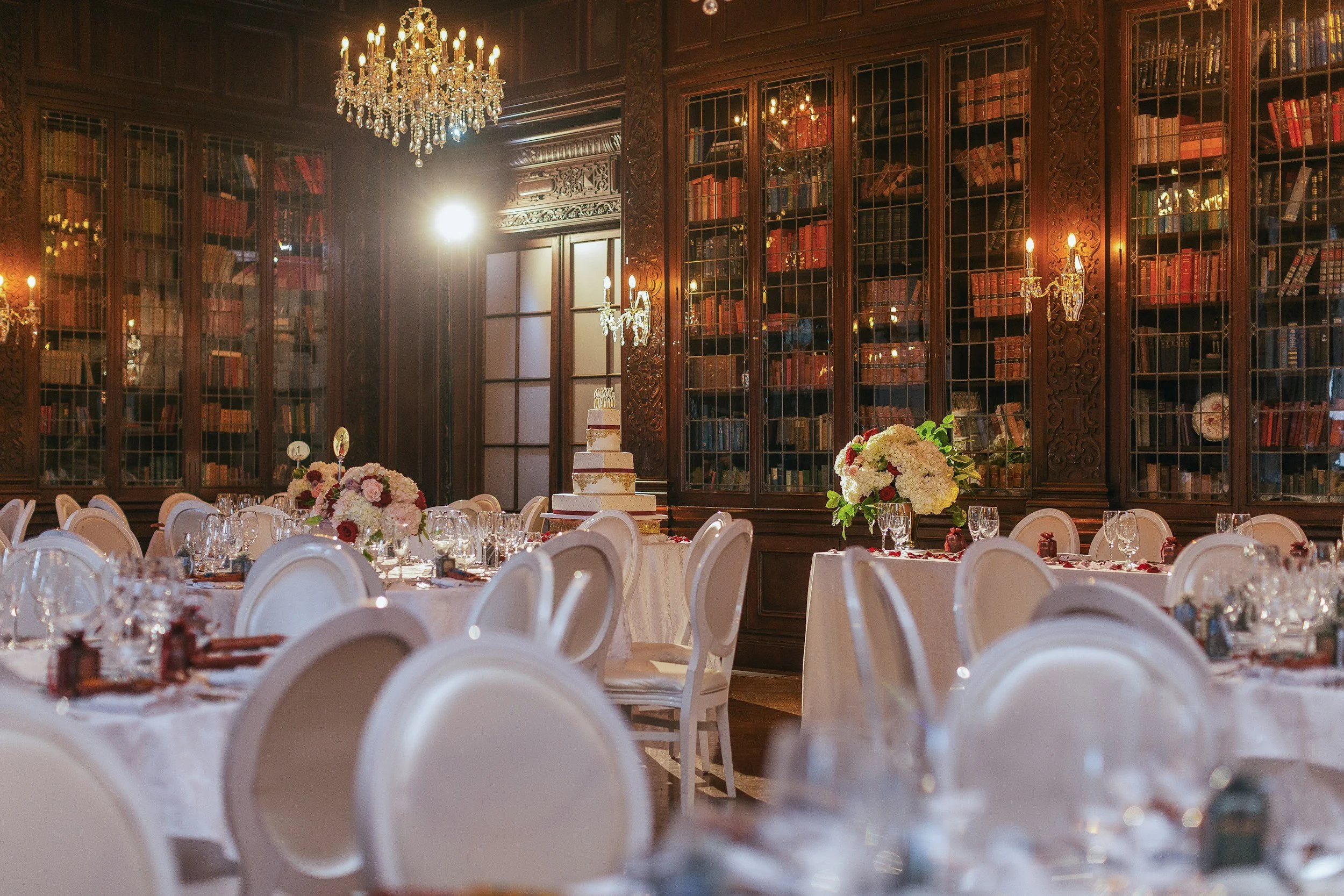
This question comes up every single time.
Here’s the honest answer 👇
Long enough for it to feel full — not forced.
Most receptions land best around 4–5 hours.
Why?
Because guests stay engaged.
Energy builds naturally.
And the night ends on a high note — not exhaustion.
A great flow looks like:
• Cocktail hour to ease everyone in
• Dinner that doesn’t feel rushed
• Dancing while the room is still buzzing
• A clean, confident ending (not a slow fade)
Longer doesn’t mean better.
More time doesn’t mean more fun.
The goal isn’t to fill hours —
it’s to create momentum.
When the timeline is intentional,
your reception feels joyful, effortless, and unforgettable.
✨ Plan the flow. Trust the timing. Enjoy the night.
Image Taken By: Andi Bravo Photography
Location: Harwelden Mansion, Tulsa OK
A Wedding Planning Experience That Feels Calm, Clear, and Intentional
tall centerpieces with bold colors
Most couples don’t begin wedding planning worried about linens or timelines.
They’re worried about how the experience will feel.
Will planning take over their lives?
Will family dynamics get stressful?
Will they miss something important?
Will the wedding day feel rushed instead of joyful?
After nearly 20 years of planning weddings in Tulsa, I can say this with confidence:
The most meaningful weddings aren’t built on trends.
They’re built on support, preparation, and peace of mind.
This page is for couples who want their wedding to feel thoughtful, well-paced, and genuinely enjoyable—from engagement to last dance.
What Couples Are Really Worried About When Planning a Wedding
Most of the couples who reach out to me are organized, capable people.
They just know that weddings come with a lot of moving parts.
Common worries I hear include:
“We don’t want wedding planning to consume our engagement.”
“We’re afraid of missing something important.”
“We want guidance—but not to give up control.”
“We want our families involved without added stress.”
These couples don’t need micromanaging.
They need structure, clarity, and an experienced voice to help them prioritize what actually matters.
happy couple enjoying wedding day stress free
👉 This is where the right level of planning support makes all the difference.
What My Ideal Wedding Planning Clients Value Most
The weddings that flow beautifully—and feel good from start to finish—have a few things in common.
My ideal clients value:
Guest Experience
They care about how the day feels for their people, not just how it photographs.
Thoughtful Decisions
They want intention over pressure and guidance over Pinterest overwhelm.
Clear Communication
They appreciate timelines, transparency, and knowing what’s coming next.
Professional Expertise
They want someone who’s navigated hundreds of weddings and knows how to stay calm when plans shift.
They’re not chasing perfection.
They’re seeking confidence.
How They Want Their Wedding Day to Feel
This is the heart of it all.
The couples I work best with want their wedding day to feel:
Calm and organized
Personal and natural
Well-paced
Joyful and unrushed
They want to wake up excited—not anxious.
They want to be present—not problem-solving.
They want to enjoy the moment they’ve spent months planning.
And afterward, they want to say:
“That felt effortless—and we actually got to soak it all in.”
Choosing the Right Wedding Planning Support
Not every couple needs the same type of planner.
I work best with couples who:
Want guidance without losing involvement
Appreciate honest, experience-based advice
Value preparation and smooth logistics
Care deeply about how the day feels
I may not be the best fit if you’re looking for someone to:
Only “show up on the wedding day” with no preparation
Take over every decision without your input
But if you’re looking for a steady, experienced partner who helps you plan wisely and enjoy the process—you’re in the right place.
Wedding Planning Should Feel Better Than This
Your engagement doesn’t need to feel stressful to be productive.
Your wedding doesn’t need chaos to be memorable.
With the right support, planning can feel:
Grounded
Organized
Thoughtful
If you want expert guidance while still planning your wedding your way, partial planning support can create structure without overwhelm.
If you want someone walking beside you from vision to execution—handling details, vendors, and flow—full planning may be the calm you’re craving.
Start With the Support That Fits You Best
This page is just the foundation. Many couples also explore:
When to hire a wedding planner
Day-of vs. partial vs. full planning
Creating a smooth wedding day timeline
Designing a guest-focused celebration
If you’re ready to explore what kind of support would serve you best, I’d love to help you figure that out—no pressure, just clarity.
Is Day-Of Coordination Enough for My Wedding?
Booked your vendors and wondering if day-of coordination is enough? This guide explains what day-of coordination actually includes—and when couples benefit from planning support sooner.
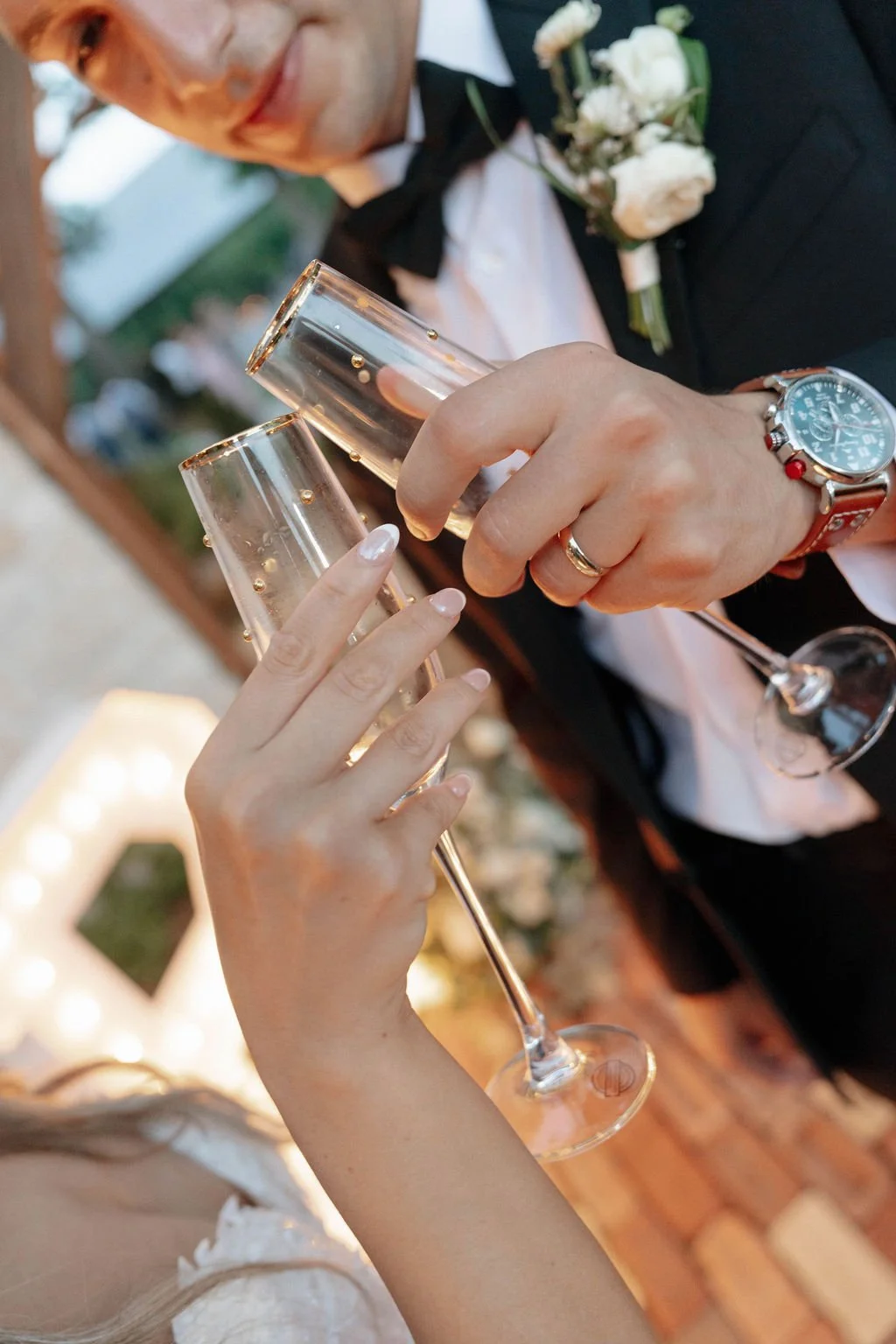
vintage wedding car white flower pedestals
Is Day-Of Coordination Enough for My Wedding?
This is one of the most common questions couples ask once planning starts to feel real — and the answer isn’t one-size-fits-all.
Many couples assume day-of coordination means someone “handles everything on the wedding day.” In reality, what day-of coordination covers (and doesn’t cover) often surprises people.
This guide breaks down when day-of coordination is enough — and when couples benefit from more support.
What Day-Of Coordination Typically Includes
Day-of coordination is designed to manage execution, not planning.
Most day-of coordinators:
Step in close to the wedding date (often 4–6 weeks out)
Finalize timelines based on decisions already made
Communicate with vendors before the wedding
Manage the flow of the wedding day itself
This works best when:
Major decisions are complete
Vendors are booked and aligned
The couple feels confident in the plan they’ve created
Tulsa couple with bouquet under umbrella
When Day-Of Coordination Is Enough
Day-of coordination is usually a good fit if:
You’ve already created a clear, realistic timeline
Vendor responsibilities are clearly defined
Your guest count, layout, and logistics are finalized
Planning hasn’t felt overwhelming
You’re confident nothing important is missing
In short: the plan already exists — it just needs to be executed smoothly.
When Day-Of Coordination Often Falls Short
Many couples realize too late that they needed support earlier.
Day-of coordination may not be enough if:
You’re unsure what should be happening next
Decisions keep getting pushed off
Planning feels heavier instead of exciting
You’re second-guessing logistics or flow
You don’t know what questions to ask vendors
You’re hoping someone will “help figure things out” on the wedding day
By the time a coordinator steps in, some decisions are already locked — and fixing issues becomes harder, more stressful, or more expensive.
The Difference Between Execution and Guidance
Here’s the key distinction most couples don’t realize:
Day-of coordination manages what already exists
Partial planning helps create the plan itself
Many 2026 couples don’t need full-service planning — but they do need help:
Knowing what matters most
Understanding timing and flow
Anticipating issues before they show up
Making confident decisions without overwhelm
That’s where guided planning fills the gap.
wedding couple private cake cutting
How to Know Which One You Need
You may need more than day-of coordination if:
You’ve booked vendors but feel unsure what comes next
Planning conversations feel stressful or circular
You want reassurance you’re doing this “right”
You’re worried about guest experience and flow
You want support before the final weeks
You may be fine with day-of coordination alone if:
Planning has felt organized and clear
You’re confident in your timeline and logistics
You don’t feel stuck or behind
You simply want someone to run the day smoothly
Neither option is wrong — it’s about choosing the level of support that actually serves you.
Why This Question Matters More for 2026 Couples
Weddings today involve:
More vendors
Tighter timelines
Higher guest expectations
More moving parts than ever before
Waiting until the final weeks to get help often adds stress instead of relieving it. The right support at the right time can change the entire planning experience — not just the wedding day.
The Goal Isn’t More Help — It’s the Right Help
The best planning support doesn’t take over your wedding.
It supports your decisions, protects your peace, and allows you to enjoy the process.
If you’re planning a wedding in Tulsa or Northeast Oklahoma and wondering whether day-of coordination is enough, this is exactly the right question to be asking.
Clarity now saves stress later.
We’ve Booked the Big Vendors — Now What?
Booked your venue, photographer, and dress but feeling stuck? Learn what to do next after booking vendors—and when couples benefit from expert planning guidance in Tulsa.
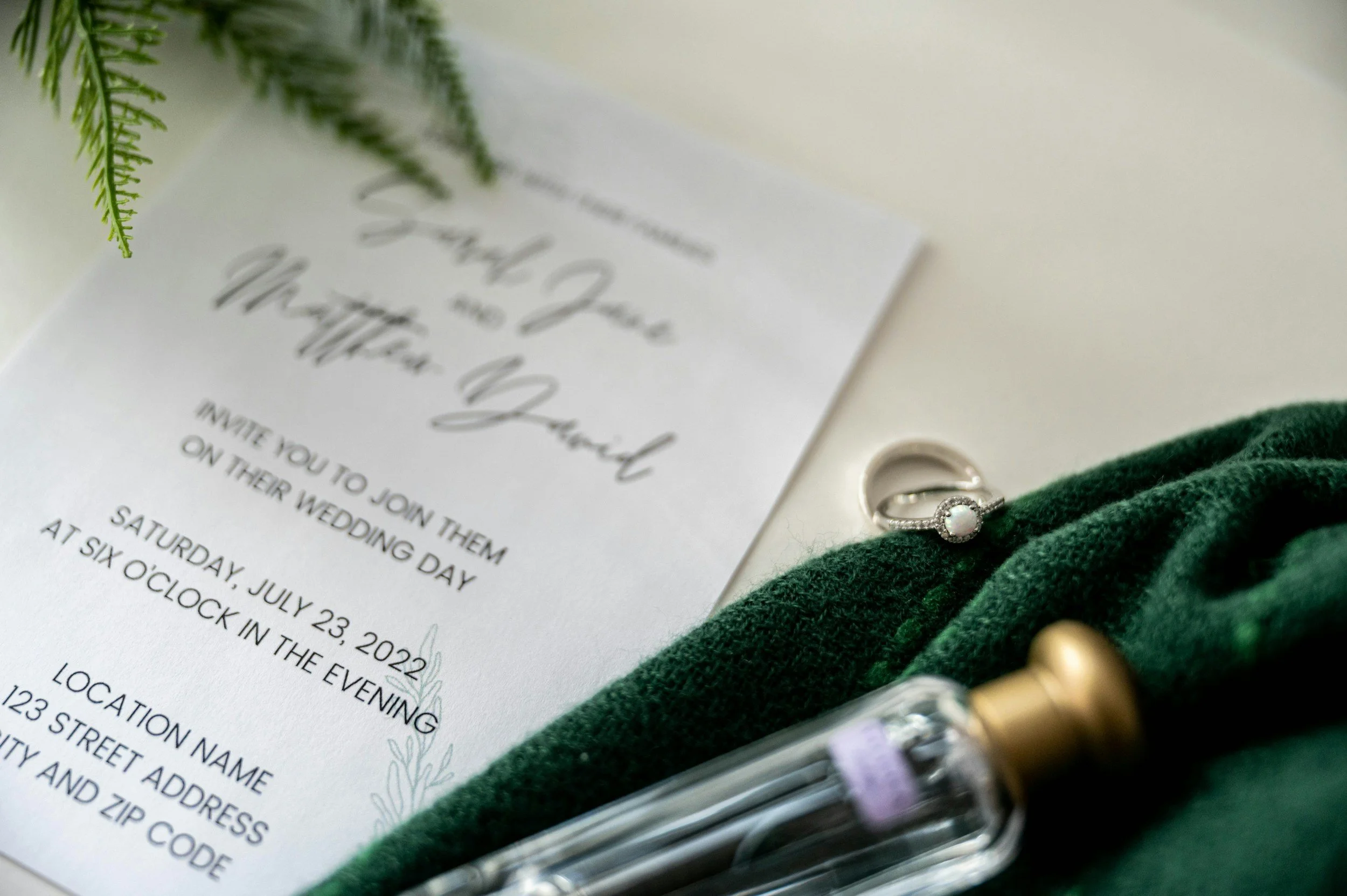
A 2026 Wedding Planning Reality Check
Booking your venue, photographer, and dress feels like a huge win — and it is.
But for many 2026 couples, that momentum quickly turns into confusion.
You’ve checked the big boxes…
So why does planning suddenly feel harder?
This is one of the most common questions couples ask right after the excitement wears off:
“What are we supposed to be doing now?”
planning meeting with Tulsa Wedding planner
Why Wedding Planning Gets Hard After You Book Vendors
Once the big decisions are made, the planning shifts — and this is where couples often get stuck.
Suddenly you’re juggling:
Timelines instead of inspiration
Logistics instead of ideas
Decisions that don’t have obvious answers
Vendor coordination, not just selection
Pinterest stops helping.
Google gives conflicting advice.
And everything starts to feel more high-stakes.
That’s normal — and it’s also the moment many couples realize they don’t need more ideas.
They need clarity.
The Planning Tasks Couples Underestimate Most
By 2026, couples are more informed than ever — but these pieces still get overlooked:
Building a realistic wedding timeline
(Not a sample — your actual day)Understanding vendor responsibilities
Who handles what… and what no one tells you they don’t handleGuest experience flow
Transitions, timing, comfort, and communicationLogistics across multiple vendors
Load-ins, deliveries, setup windows, and breakdowns
These aren’t glamorous tasks — but they’re the difference between a smooth day and a stressful one.
Why “We’ll Figure It Out Later” Rarely Works
Most couples are capable planners — until everything stacks at once.
The challenge isn’t ability.
It’s bandwidth.
As the wedding gets closer:
Decisions pile up faster
Questions become more specific
Mistakes become more expensive
Stress shows up earlier than expected
That’s usually when couples start searching for answers like:
Do I need partial planning?
Is day-of coordination enough?
Is it too late to bring in help?
Tulsa wedding planner helping couples plan
The Sweet Spot: Guided Planning Without Giving Up Control
Many 2026 couples don’t want full-service planning — they want support where it actually matters.
That often looks like:
Expert guidance on key decisions
Help building a workable plan
Someone to anticipate issues before they show up
Confidence that nothing important is slipping through the cracks
You stay involved.
You stay in control.
But you’re no longer carrying everything alone.
How to Know If You’re at This Stage
You may be here if:
You’ve booked vendors but feel unsure about next steps
You’re second-guessing decisions
Planning conversations feel heavier than exciting
You want reassurance you’re doing this “right”
That doesn’t mean you’re behind.
It means you’re exactly where many couples reach out for guidance.
The Goal Isn’t More Planning — It’s Better Planning
A well-planned wedding isn’t about doing more.
It’s about doing the right things at the right time — with clarity.
When planning is aligned:
Decisions feel easier
Stress stays manageable
The engagement stays enjoyable
The wedding day feels calm and intentional
That’s always the goal.
When Should You Hire a Wedding Planner?
The right time to hire a wedding planner isn’t about your date—it’s about your stress level. If planning feels heavier than it should, this post breaks down when a light-touch approach (like Invisible Strings) can change everything.
Tulsa wedding planner coordinating wedding day timeline
If you’re newly engaged, you may be wondering when hiring a wedding planner actually makes sense—or if it’s something you wait on until later.
The short answer?
The best time to hire a wedding planner is earlier than most couples think.
But the right time depends on what kind of support you want, how involved you plan to be, and how calm you want your planning process to feel.
Let’s break it down.
The Best Time to Hire a Wedding Planner (At a Glance)
If you want the biggest impact, hire a planner as soon as you start making decisions—not once you’re already overwhelmed.
Most couples hire a wedding planner:
Right after booking their venue
9–12 months before the wedding
As soon as planning stops feeling fun
Wedding day coordination and vendor management in Tulsa Oklahoma
Hire a Wedding Planner Early If…
You’ll benefit most from hiring a planner early if:
You want help building a realistic budget
You’re unsure which vendors to book first
You want trusted recommendations (not endless Googling)
You’re planning around work, family, or travel
You want guidance without giving up control
Early planning support often prevents:
Budget mistakes
Vendor regret
Timeline stress
Decision fatigue
Hire a Wedding Planner Mid-Planning If…
Many couples don’t realize they want help until they’re already in it.
This is the right time if:
You’ve booked some vendors but feel stuck
You’re second-guessing decisions
Planning feels heavier than expected
You want someone to pull everything together
This is where partial planning is a great fit—expert guidance without starting over.
Partial wedding planning services in Tulsa
Hire a Wedding Planner Closer to the Wedding If…
Even the most organized couples need support as the wedding approaches.
You should absolutely hire a planner if:
You don’t want to manage vendors on wedding day
You want a clear, professional timeline
You want to be fully present—not answering questions
You want someone handling the details behind the scenes
This level of support is often called day-of or month-of coordination.
Signs It’s Time to Hire a Wedding Planner
Still unsure? These are the clearest signs:
You’re researching more than you’re enjoying
Planning conversations feel stressful
You’re unsure what comes next
You want reassurance you’re doing this right
If you’ve thought, “I just want someone to tell me what matters most,”
that’s your answer.
There’s No “Too Late” to Hire a Wedding Planner
Whether you’re:
Just engaged
Halfway through planning
Weeks away from your wedding
A wedding planner meets you where you are and helps bring calm, clarity, and confidence to the process.
How I Support Couples at Every Stage
I work with couples who:
Want guidance without pressure
Care about guest experience
Value calm, organized planning
From partial planning to day-of coordination, my services are designed to support you at the stage you’re in—not force you into a one-size-fits-all package.
👉 Learn more about my planning services at www.tulsaweddings.com
👉 Schedule a consultation, email sharon@tulsaweddings.com
Planning a wedding in Tulsa or Northeast Oklahoma?
Tulsa Weddings & Design offers wedding planning, partial planning, and day-of coordination for couples who want When Should You Hire a Wedding Planner?
The Most Intentional Wedding Day
An Intentional Wedding Day: Less Rush, More Meaning
Your wedding day doesn’t need to be perfect—it needs to be yours.
In the middle of timelines, traditions, and expectations, it’s easy to forget why the day exists in the first place. An intentional wedding day is one where you slow down just enough to feel it all: the quiet excitement while getting ready, the deep breath before you walk down the aisle, the joy of being surrounded by the people who love you most.
Intentionality can look different for every couple. It might mean a private first look, handwritten vows, a moment of prayer together, or stepping away during the reception to soak it all in. These small pauses are often the moments couples remember most.
At the end of the day, your wedding isn’t about doing everything—it’s about choosing what matters. When you plan with intention, you create space for connection, presence, and memories that last far beyond the last dance.
Because the most beautiful weddings aren’t the busiest ones—they’re the ones that feel deeply, unmistakably true to you.
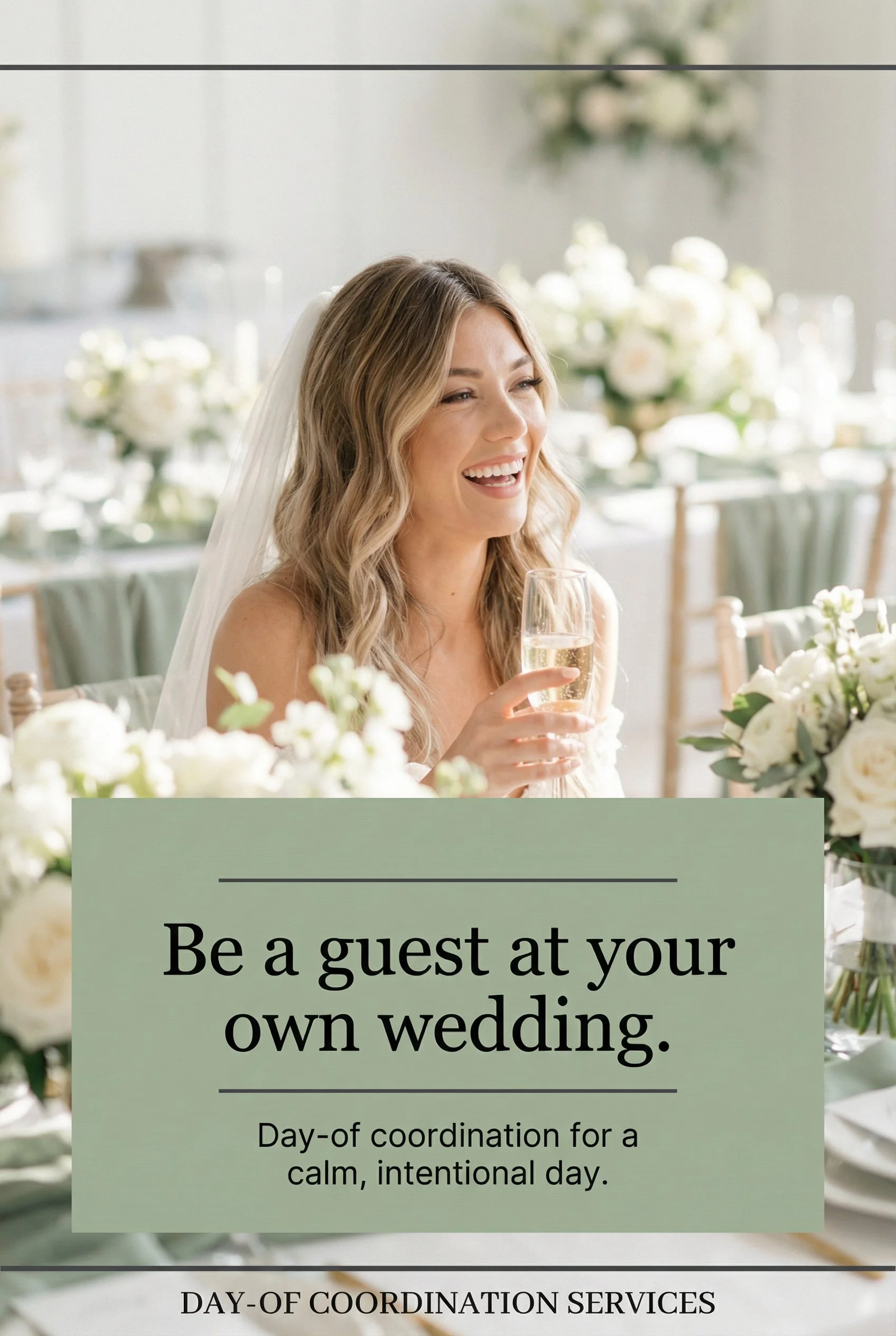
An Intentional Wedding Day: Less Rush, More Meaning
Your wedding day doesn’t need to be perfect—it needs to be yours.
In the middle of timelines, traditions, and expectations, it’s easy to forget why the day exists in the first place. An intentional wedding day is one where you slow down just enough to feel it all: the quiet excitement while getting ready, the deep breath before you walk down the aisle, the joy of being surrounded by the people who love you most.
Intentionality can look different for every couple. It might mean a private first look, handwritten vows, a moment of prayer together, or stepping away during the reception to soak it all in. These small pauses are often the moments couples remember most.
At the end of the day, your wedding isn’t about doing everything—it’s about choosing what matters. When you plan with intention, you create space for connection, presence, and memories that last far beyond the last dance.
Because the most beautiful weddings aren’t the busiest ones—they’re the ones that feel deeply, unmistakably true to you.
Wedding Day Timeline: Why Most Couples Get It Wrong
Creating a wedding day timeline sounds simple—until it isn’t.
This is why “wedding day timeline” is one of the most searched planning terms every year.
The Biggest Timeline Mistakes Couples Make
Not allowing enough time for hair and makeup
Forgetting buffer time between events
Overloading the schedule
Not accounting for travel or setup
Pinterest timelines often look pretty—but they aren’t always realistic.
What a Real Wedding Timeline Includes
A professional wedding timeline accounts for:
Vendor arrival and setup times
Photography needs (details, first looks, family photos)
Ceremony flow
Cocktail hour and reception transitions
Built-in buffer time
This is how weddings stay calm—even when things shift.
Why a Planner Makes the Difference
Wedding planners don’t just create timelines—we manage them.
When timing changes (and it often does), someone needs to adjust the plan without disrupting the experience.
That’s what allows couples to stay present and enjoy the day.
Sample Wedding Day Itinerary
(Realistic, planner-built timeline)
This is an example of a well-paced wedding day timeline that allows for hair and makeup, photos, vendor setup, and buffer time—so the day feels calm instead of rushed.
Sample Wedding Day Timeline
9:30 AM
Hair & Makeup begins (Bride + wedding party)
– Planner confirms vendor arrivals
– Photographer begins detail photos (dress, rings, invitation suite)
11:30 AM
Bride gets into dress
– Final hair & makeup touches
– First look prep
12:00 PM
First Look
– Couple portraits
– Wedding party photos follow
1:30 PM
Immediate family photos
– Planner manages photo list + timing
3:00 PM
Break / touch-ups / travel to ceremony location
– Vendors continue setup
4:30 PM
Ceremony setup complete
– Planner cues musicians & officiant
– Guests begin arriving
5:00 PM
Ceremony begins
5:30 PM
Ceremony ends
– Cocktail hour begins
– Planner transitions vendors + guests
6:30 PM
Reception doors open
– Couple takes a private moment
– Final room check
6:45 PM
Grand entrance & first dance
7:00 PM
Dinner service begins
8:15 PM
Toasts & special dances
8:45 PM
Open dancing
9:45 PM
Grand exit
11:00 PM
All vendors load out complete
Why This Timeline Works
This wedding day itinerary:
Allows enough time for hair and makeup
Builds in buffer time for photos and transitions
Clearly assigns responsibility for cueing vendors
Prevents guests, family, or the couple from managing logistics
Most importantly, it ensures someone is running the day—so the couple doesn’t have to.
15 Budget-Friendly Cocktail Hour Ideas That Will Keep Your Guests Entertained
Groomsmen enjoying a post ceremony beer
Your cocktail hour is the bridge between your ceremony and the party. But here’s the thing—your guests didn’t show up just to stand around holding a napkin and making small talk. They want to feel welcomed, included, and part of the celebration from the very first toast.
If you’re planning a wedding and want your guests to actually enjoy cocktail hour (instead of counting the minutes until dinner), here are 15 fun, creative, and budget-friendly ideas.
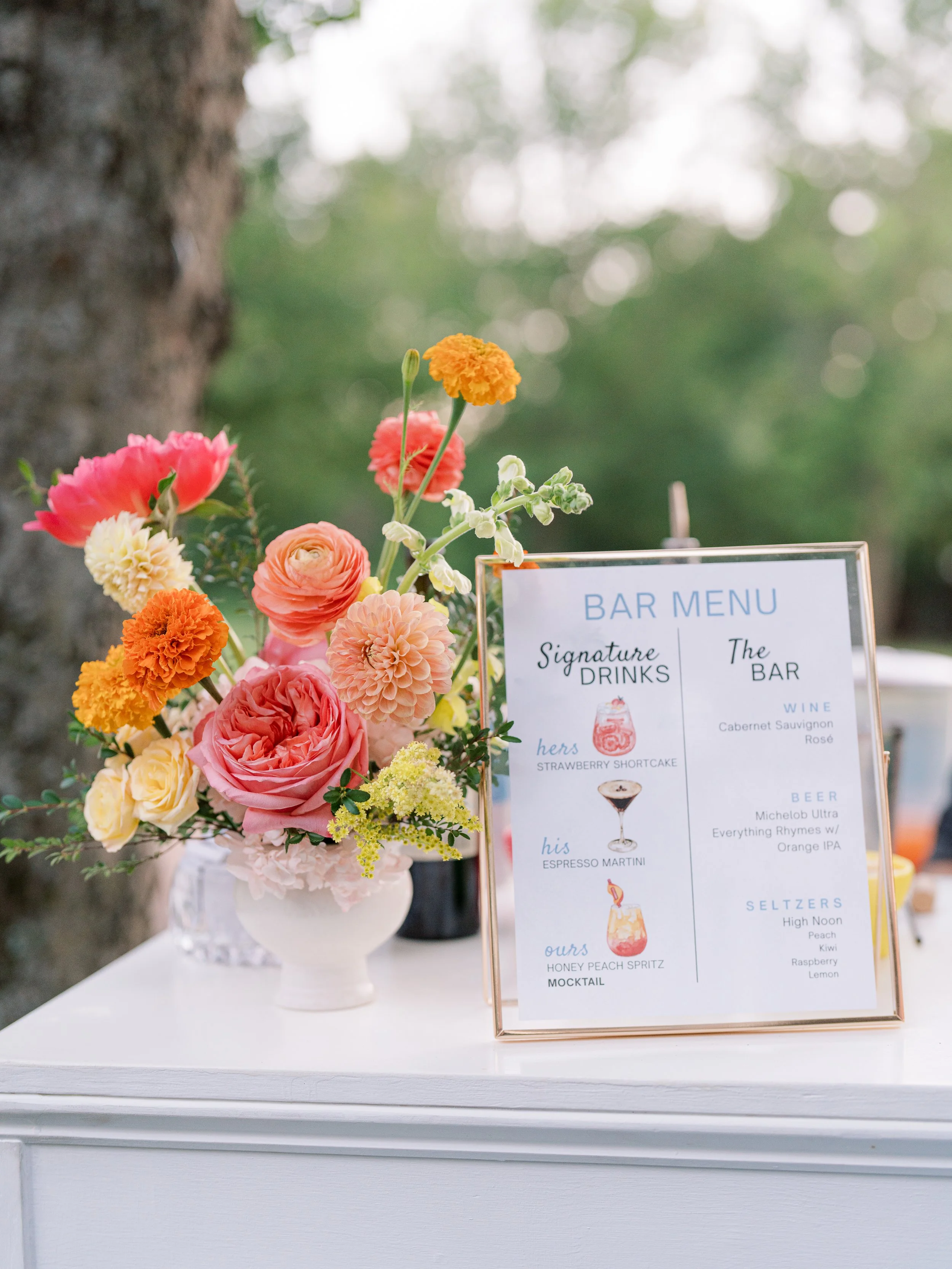
🍹 Fun Cocktail Hour Ideas (No Awkward Small Talk Required)
Want to keep things light and playful? These activities make it easy for guests to mingle without forcing them into stiff conversations:
Yard Games: Cornhole, giant Jenga, or ring toss keep people laughing (and work indoors or outdoors).
Polaroid Guestbook: Guests snap a picture, stick it in a book, and write a note—double as memories + entertainment.
Advice Cards: Place “Date Night Ideas” or “Words of Wisdom” cards on tables for guests to fill out.
Curated Playlist: Save on live music by creating a high-energy Spotify playlist that sets the mood.
Signature Drinks with a Story: Share why you picked them—guests love a peek into your personalities.
🥂 Creative Activities Beyond Drinks and Appetizers
Food and drinks are great, but interactive activities make cocktail hour memorable:
DIY Snack Bar: Popcorn with toppings, a pretzel bar, or a donut wall = fun and filling.
Couple Trivia: Have your DJ or MC quiz guests with funny facts about the two of you—winners get a prize.
Interactive Guestbook: Set up a video booth or instant camera for guests to leave silly or sweet messages.
Conversation Card Lounge: Place fun “icebreaker” cards at tables—perfect for groups who don’t know each other.
Local Acoustic Musician: More affordable than a full band, but still adds a personal touch.
🎉 Inclusive Cocktail Hour Ideas for Every Guest
Not everyone wants a cocktail in hand, and not every guest is in the same age group. Here’s how to make sure everyone feels welcome:
Mocktail Station: Offer fun alcohol-free options so everyone can join in.
Kid Zone: Bubbles, coloring pages, or small activity bags for little ones.
Photo Scavenger Hunt: Create a list (“snap a pic with someone in blue shoes”)—guests will love the challenge.
Guest Scavenger Hunt: A simple bingo card (“find someone who went to college with the bride”) breaks the ice.
Group Toast: Kick off the reception with a quick thank-you toast—it makes guests feel like part of your inner circle.
Why Cocktail Hour Matters
Your wedding isn’t just about the two of you—it’s about creating an atmosphere where every single person feels included. When guests are entertained and engaged during cocktail hour, the energy carries straight into your reception.
✨ Planning a wedding in Tulsa or the surrounding area? I’ll help you design a day where your guests feel welcome, the details run smoothly, and you actually get to enjoy the celebration.
Life After the Wedding: What to Expect (and How to Love Your Newlywed Season)
ODD LOT PHOTO
After months of wedding planning stress—budget meetings, RSVP chasing, vendor calls, and countless decisions—the big day finally arrives. It’s magical, emotional, and unforgettable. But then, almost overnight, the whirlwind is gone.
For many couples, life after the wedding feels both refreshing and surprisingly disorienting. The constant checklists and countdowns have ended, and suddenly there’s space. If you’ve ever asked yourself, “Now what do we do after the wedding?”—you’re not alone.
Post-Wedding Emotions: From Relief to the Post-Wedding Blues
The newlywed season can stir up a mix of emotions:
Relief & Joy: No more spreadsheets or vendor deadlines—just the freedom to enjoy married life.
The “Now What?” Moment: With so much energy poured into one day, it’s normal to feel a little lost once it’s over.
The Post-Wedding Blues: Yes, it’s real. The adrenaline and excitement fade, and you might even miss those planning meetings and Pinterest boards.
Recognizing these feelings is the first step to embracing this new chapter.
Newlywed Life: Tips for Adjusting After the Wedding
Your wedding day is only the beginning. Here’s how to transition from planning mode into the joy of married life:
Start New Traditions: Whether it’s Sunday pancakes, a monthly date night, or saving for future travels, small rituals help you shift focus to your partnership.
Celebrate the Everyday: That first grocery run as newlyweds or dinner in your own kitchen is just as meaningful as your wedding day.
Memory Keepers: Order your wedding album, frame your vows, or host a casual dinner to relive your day with loved ones.
Look Ahead: Having a honeymoon, home project, or fun adventure on the horizon keeps excitement flowing long after the celebration ends.
You’re Not Alone
Every couple experiences the after-wedding adjustment differently, and there’s no one “right” way to feel. Some dive headfirst into newlywed life, while others take time to ease into their new rhythm. Both are completely normal.
What matters most is remembering this: your wedding was one extraordinary day, but marriage is where the real magic happens. You married your best friend—and that’s where the adventure begins.
✨ If you’re in the wedding planning season in Tulsa or the surrounding area, let’s make sure your big day feels just as effortless and joy-filled as your newlywed life. As a Tulsa wedding planner, I’ve walked alongside couples through both the excitement of planning and the transition afterward. Reach out here to check your date—I’d love to help you plan with calm and confidence.
Why Full Wedding Planning Is Totally Worth It
You’ve said “yes,” popped the champagne, and started scrolling Pinterest like it’s your new part-time job.
But now that the “we’re engaged!” excitement has settled, a new thought creeps in:
“How do I actually plan this wedding… without losing my mind (or my savings)?”
Here’s the truth: Full wedding planning isn’t just a luxury—it’s a total game changer.
It’s the difference between winging it with 400+ hours of planning versus having an expert by your side who saves you money, protects your time, and makes your wedding look effortless.
If you’ve been wondering “Is full wedding planning worth it?” — here’s why it’s totally worth every penny.
Avoid the Wedding Budget Mistakes Nobody Warns You About
The average wedding involves 12+ vendors and hundreds of moving parts. One missed contract detail or double-booked vendor can turn into a costly headache.
Full-service wedding planners:
Catch hidden fees and fine print before you sign
Prevent overspending on things you don’t actually need
Keep you on budget without cutting the magic
Pro Tip: Many couples discover that the money a planner saves them in mistakes practically pays for the planner itself.
Get Insider Access to the Best Wedding Vendors (and Perks)
When you book full-service planning, you’re not just hiring a person—you’re hiring their network and experience.
Planners have trusted vendors who deliver every time
Vendors often offer perks or upgrades for planner-referred clients
You get matches for your style and budget without the guesswork
Think of it as a wedding matchmaker who only sets you up with the perfect fit.
Save 400+ Hours of Wedding Planning Stress—Seriously
Planning a wedding takes hundreds of hours—emails, meetings, timelines, layouts, payments.
Do you really want your evenings and weekends to become one long to-do list?
Full-service planners handle:
Vendor communication & scheduling
Payment tracking & deadlines
Timeline creation & floor plan layouts
You get your time back to focus on the fun stuff—cake tastings, dress shopping, and celebrating your engagement.
Turn Your Pinterest Boards Into a Real-Life Wedding
A cohesive wedding design doesn’t magically appear—it takes expertise to bring all the moving pieces together.
Your planner will:
Curate your vision so every detail works together
Source rentals and décor without costly trial and error
Handle setup and teardown, so you enjoy your day instead of arranging centerpieces
Your wedding photos will look like a dream because every element tells the same story.
Enjoy Your Wedding Like a Guest, Not a Project Manager
On the big day, you shouldn’t be checking timelines or managing vendors.
You should be sipping champagne, soaking in every moment, and dancing like nobody’s watching.
A full planner ensures:
Vendors know exactly where to be and when
Problems are solved before you ever notice them
Your only job is to get married and have fun
The moment you walk down the aisle without a single worry? That’s when full wedding planning proves its worth.
The Bottom Line
Full-service wedding planning isn’t just for luxury weddings—it’s for couples who want to maximize their budget and protect their peace of mind.
From avoiding costly mistakes to saving hundreds of hours, a full planner often pays for itself in both money and stress saved.
If you want a wedding that feels effortless, beautiful, and totally worth it, full wedding planning is the move.
7 Things to Remember on Your Wedding Day (That Make a Big Difference)
Your wedding day is going to be beautiful. But between the schedule, the emotions, and all the people wanting your attention—it can also be a bit overwhelming. After nearly 20 years of planning weddings, here are the seven reminders I give every couple to help them feel grounded, present, and joyful.
1. Eat Something (Seriously!)
Between hair, makeup, nerves, and excitement, it’s so easy to skip meals without even realizing it. But trust me—fainting during your vows is not the kind of dramatic moment we want.
Pro Tip: Set out a light, easy-to-grab spread like muffins, fruit, or protein bars in the bridal suite. You’ll need the fuel.
2. Delegate, Then Let Go
This is not your day to carry a clipboard. Hand things off to your wedding planner (🙋♀️), coordinator, or that Type-A friend you trust. If a hiccup happens, your team will handle it—while you soak in every moment.
3. Take It All In
Pause before walking down the aisle.
Look around. Feel the air.
This moment—surrounded by your people, stepping into forever—is sacred.
Let yourself be fully present in it.
4. Expect Imperfection
Something will run behind. Someone might cry too early. It might even rain. But guess what? None of that will ruin your day if you keep your eyes (and heart) on what truly matters:
You’re marrying your favorite person.
5. Sneak Away Together
Schedule 10–15 minutes during cocktail hour or right after the ceremony to step away—just the two of you. No cameras. No guests. No to-do list.
It’s often the first quiet moment you’ll have as newlyweds, and couples always say it’s one of their favorite memories.
6. Soak in the Celebration
Your wedding isn’t a performance—it’s a celebration. Let go of perfection, embrace the moment, and lean into the joy. It’s okay if your timeline shifts a bit or the wind fluffs your veil. It’s all part of the magic.
7. You Don’t Have to Do It Alone
Whether it’s timeline creation, vendor coordination, or calming the chaos behind the scenes, your planner is there to carry the clipboard so you don’t have to.
Let your job be enjoying the day.
First Look vs. Cocktail Hour: Which Wedding Moment is Right for You?"
The decision to have a "first look" or attend your cocktail hour is one that many couples face during wedding planning. Each option has its unique advantages, so the key is finding the one that aligns with your vision for the day. Let's break down the pros and cons of each to help you decide which fits best with your style, timeline, and overall wedding experience.
The First Look: A Private Moment Before the Ceremony
Pros:
More Time for Photos: One of the most significant benefits of a first look is the time it gives you for more intimate, relaxed photos before the ceremony. With your photographer capturing those private moments, you get to enjoy your wedding day without feeling rushed.
Private Moment with Your Partner: A first look gives you both the opportunity to share an intimate, emotional moment together before the chaos of the wedding day takes over. It’s a quiet time to connect and calm nerves.
Better Lighting for Photos: Since you'll be taking photos earlier in the day, you'll often get better lighting than during the ceremony or reception. This can lead to better, more flattering shots.
Helps With Nerves: Many couples find that seeing each other before the ceremony helps ease wedding-day jitters. You can start the day together and share a calming, emotional moment before walking down the aisle.
Time for a Fun Reveal: Want to capture your partner’s reaction to your wedding dress or suit? The first look gives you the chance to see each other’s outfits and enjoy that “wow” moment without the pressure of hundreds of eyes on you.
Cons:
Less Anticipation: For some couples, the moment they first see each other at the altar is one of the most anticipated parts of the day. Opting for a first look can take away from that dramatic, emotional moment during the ceremony.
Can Feel Like a Rush: Depending on your timeline, a first look might make the wedding day feel a little more packed. If you're not a fan of being on a tight schedule, you might prefer to take it slow as the day unfolds.
Additional Logistics: The first look requires a bit of extra planning—choosing a location, making sure the photographer is ready, and coordinating with the wedding party. If you’re already feeling overwhelmed with the details, this might add to your stress.
Attending Cocktail Hour: Celebrate with Your Guests
Pros:
More Time with Guests: If you decide not to do a first look, you can attend your cocktail hour with your guests, greeting them and soaking in the celebratory atmosphere. This is a great way to enjoy the social side of your wedding without feeling like you're missing out on time with loved ones.
Time to Catch Your Breath: After the ceremony, you may need a moment to unwind. Cocktail hour is an opportunity to take a breath, chat with your guests, and enjoy a little downtime before your reception kicks into full swing.
Keeps the Ceremony Moment Intact: If the dramatic moment of seeing each other at the altar is important to you, skipping the first look ensures that you get to experience that grand reveal in front of your guests.
Traditional Wedding Flow: If you're aiming for a more traditional wedding flow, attending cocktail hour might be the perfect fit. It keeps the anticipation alive and ensures that the ceremony feels like the main event.
Cons:
Less Photo Time Before the Ceremony: Without a first look, your photo opportunities are limited to the time after the ceremony, which can often feel rushed. You might not get as many intimate, candid shots or end up with a limited number of portraits.
Potential Time Crunch: You may find yourself pressed for time once the ceremony ends, especially if there are tight gaps between the ceremony and reception. This could result in a rush to get back into the reception hall and start the party.
Possibly Less Relaxed: With the adrenaline of the ceremony behind you and your guests waiting for you, you might feel more pressure to jump into the reception right away. This could leave less time for personal moments or a breather.
Missing Out on a Quiet Moment Together: Without the first look, you’ll miss that private, calm moment together before the event kicks off. Your first interaction after the ceremony will likely be more public, with family and friends around.
Which Option is Right for You?
Ultimately, the decision between a first look or attending cocktail hour comes down to what’s most important to you on your wedding day. Here are some things to consider:
Do you value private moments or want to enjoy the company of your guests right away? If you prefer a calm and intimate first look, go for it! If spending time with your guests and soaking up the celebration matters more to you, skip the first look and head straight to cocktail hour.
How important are photos to you? If you want more relaxed, intimate photos before the ceremony, a first look is your best bet. But if you're okay with getting your photos after the ceremony, attending cocktail hour may be the right fit.
What’s your timeline like? If you're working with a tight schedule, the first look can help streamline the day and give you more breathing room. If you’re not concerned about time, skipping it allows for a more traditional flow.
Final Thoughts:
Both options have their benefits, so it’s all about what feels right for you and your partner. Whichever you choose, your wedding day will be filled with memorable moments, and you’ll have the love and support of everyone there to witness it.
Remember—there’s no right or wrong choice here, just the one that will make your day feel as perfect as you envision it!
The Biggest Mistake Couples Make When Planning a Wedding: Not Reading the Contract Completely
Planning a wedding is a whirlwind of decisions and emotions. With so many moving parts, it’s easy to overlook small but critical details—like thoroughly reading vendor contracts. However, skipping over this crucial step can lead to unexpected issues on your big day. Here’s why reading your contracts from start to finish is one of the smartest moves you can make.
1. Contracts Protect All Parties
A well-written contract ensures that both you and your vendors are on the same page. It clearly defines what services will be provided, payment terms, cancellation policies, and what happens if unexpected circumstances arise. If any disputes or misunderstandings pop up, the contract serves as the legal document to reference, helping avoid costly or stressful conflicts.
2. Sets Boundaries for the Couple and Vendor
Contracts help outline clear expectations. If you want your photographer for 8 hours but your contract only specifies 6, you could be left scrambling on the wedding day. Contracts also establish vendor limits—like how many revisions are allowed, overtime fees, or when communication can happen. This creates a respectful working relationship where everyone knows what’s expected.
3. Secures Your Investment
Weddings are expensive, and every vendor relationship represents a significant investment. Your contract ensures that your money is protected. For example, deposits and refunds should be spelled out in detail. If a vendor cancels or doesn’t deliver, a solid contract will help you seek a fair resolution.
Takeaway: Before you sign on the dotted line, take the time to read each contract carefully. If anything seems unclear, ask questions. This simple step can help ensure smooth sailing all the way to "I do!"
#WeddingPlanningTips #WeddingAdvice #WeddingContracts #TulsaWeddingPlanner #WeddingDayPrep #StressFreeWedding
Wedding mornings matter more than you think.
I remember one of my first brides—sweet as pie, totally calm the night before. But that morning? She was steaming her bridesmaids' dresses, hunting down earrings, and running behind for her own hair and makeup. I watched her beautiful morning turn into a frenzy, and right then I knew: my job is to protect that calm.
That’s why I do what I do.
After 20 years in weddings (and a whole lot of behind-the-scenes rescues), I’ve learned how to keep the chaos off your shoulders. I work with photographers, beauty teams, and families to make sure your day flows with peace, not panic.
Around here, we believe a bride should feel taken care of, not in charge. That timeless photos matter just as much as tearful memories. And that a smooth morning sets the tone for everything that follows.
If you're planning your day and thinking “I don’t want to be in charge on my own wedding day,” we should talk.
#tulsaweddings #weddingplannerlife #oklahomaweddingplanner #weddingdaytips #tulsabride
When the Weather Has Other Plans: Loving Your Venue, Rain or Shine (and During the Room Flip!)
You’ve dreamt it: vows under an open sky, golden hour light, soft breeze, birds chirping — outdoor ceremonies are undeniably beautiful. But if there’s one thing I’ve learned in nearly two decades of wedding planning, it’s that Mother Nature doesn’t RSVP.
That’s why when you’re venue shopping, it’s so important to ask yourself: Would I love this space just as much if we had to move everything inside?
But there’s another layer to this, especially if your ceremony and reception are happening in the same indoor space: What happens during a room flip? Let’s break it down.
The Indoor Backup Plan: Don’t Settle
If weather forces your ceremony indoors, the last thing you want is to feel disappointed or cramped. A solid backup space should feel just as intentional, beautiful, and romantic as your Plan A. When you tour a venue, step inside and really look. Imagine your guests sitting there, you walking down the aisle, the music swelling — does it still feel right?
If the answer is yes, you’re in good shape.
If a Room Flip Is Part of the Plan…
A lot of venues — especially barns, ballrooms, or event halls — will use one main space for both ceremony and reception. Which means if your ceremony ends at 4:30 PM and dinner starts at 6:00 PM, someone’s gotta move all those chairs, reset tables, cue up candles, and get that dance floor ready. That’s where the room flip comes in.
Here’s the million-dollar question: Where do your guests go while this is happening?
The Cocktail Hour Game Plan
This is a key piece you’ll want to map out with your venue and planner (hi, that’s me 🙋♀️). Ask:
Is there a separate cocktail area — a patio, lobby, lounge, or adjoining room?
Is it weatherproof if we’re indoors?
Can the caterer set up food and drinks in that area with ease?
Is there enough space for your full guest list to mix and mingle?
This time between ceremony and reception is a golden opportunity for your guests to relax, enjoy some drinks and apps, and set the tone for the celebration ahead. A great venue will have a clear plan for where guests will go and how they’ll be served while the main space is getting its glow-up.
My Real Talk as a Planner:
A smooth room flip is like a magic trick — when it’s well-planned, your guests barely notice it happened. But behind the scenes, it takes a village (and a solid timeline). So when you're choosing your venue, make sure:
You love the inside space enough to say "I do" there.
There’s a cocktail hour space that works if a flip is needed.
You have a team who can execute the flip efficiently and beautifully.
At the end of the day, the right venue should make you feel confident no matter what the weather does — because when you feel good, everything else falls into place.